
Signs Your Exterior Paint Job Can't Wait Any Longer

Paint doesn’t fail all at once. It gives you warnings first, and most homeowners miss them until the problem’s already inside the walls.
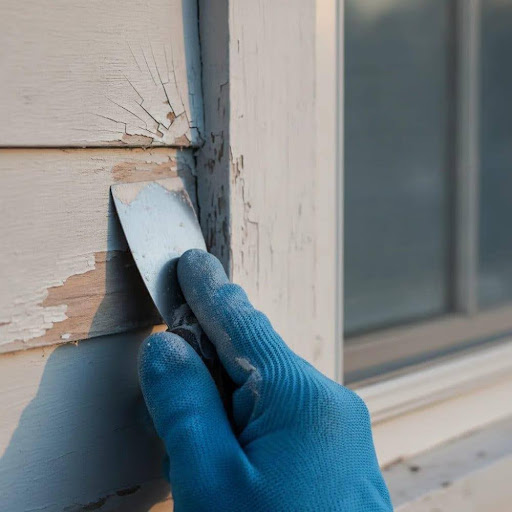
Chalky residue on your hand after you touch the siding? That’s the paint breaking down from UV exposure, and it means the protective layer is gone. Cracking that looks like little spider webs, especially around window trim and door frames, tells us water’s already getting underneath. Paint peeling in sheets instead of small flakes usually means moisture trapped behind the surface, not just old age.
Exterior painting is one part of our residential painting work for homes in Lawrenceville and the surrounding area.
Here's what tells us a job can't wait:
- Bare wood showing through in spots, especially on south facing walls that take the most sun
- Soft or spongy trim boards when you press on them
- Dark streaking near the roofline from mildew growth
- Caulk pulling away from joints around windows and doors
Most of the time, when a customer calls us about “just wanting to freshen things up,” we find at least one of these already happening. That’s not a scare tactic – it’s just what we see on the truck every week. Waiting one more season usually costs more than waiting one more month.
Why Surface Prep Decides How Long Exterior Paint Lasts
Here’s the truth most people don’t want to hear: the paint brand matters way less than what happens before the paint ever touches the wall. We’ve walked up to houses in Lawrenceville where the siding looked fine from the street, then found soft wood, chalky old paint, and mildew hiding under the eaves. Paint over that mess and you’re buying a callback in eighteen months, not a paint job that holds for years.
Gwinnett County summers are hot and sticky. That humidity works its way into wood siding and trim if it isn’t sealed right, and paint applied over damp or dirty surfaces peels first. It’s just physics – moisture wants out and paint film can’t hold it back forever.
Our approach is careful surface preparation, and that’s not a slogan. It’s the actual sequence we follow on every job:
- Pressure wash to strip dirt, mildew, and loose paint
- Scrape and sand any failing paint down to a sound edge
- Fill and caulk gaps around trim, windows, and siding joints
- Spot-prime bare wood or repaired areas
- Let everything dry fully before the first coat goes on
Skip step three and you’ll see it again in a year. Skip step five and you’ll see it in a month. Most early paint failures trace back to what got skipped, not what got sprayed on. So when a homeowner asks why one estimate costs more than another, this is usually the answer. Somebody’s planning to prep. Somebody isn’t.A house with proper prep and a mediocre topcoat will outlast a rushed prep job with the best paint on the shelf.
When a Full Repaint Isn't the Right Call Yet
Let’s be honest for a second. Not every house that calls us needs a whole exterior repaint. We say that a lot, and it surprises people to hear a painter say it first.
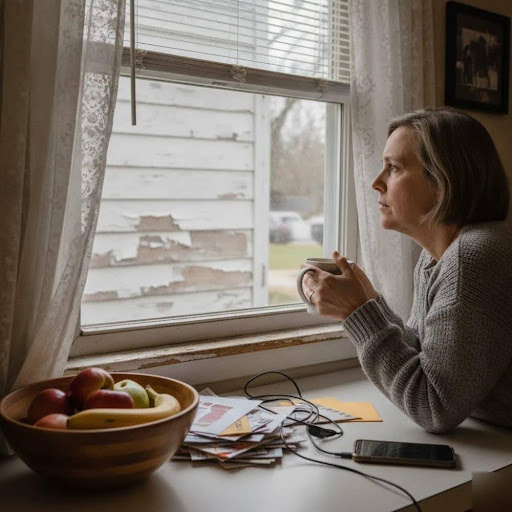
If your siding still looks solid and the color’s holding, but you’ve got one wall facing west that’s peeling from sun exposure, that’s a spot job, not a full repaint. We see this constantly on homes with vinyl or fiber cement siding around Lawrenceville, where afternoon sun beats on the same side of the house year after year while the other three sides look fine. Painting the whole house in that case wastes your money.
Chalking is another one people misread. Run your hand along the siding – if it comes back with a chalky white residue, that’s normal paint aging, not failure. It can often be washed off and doesn’t always mean the paint’s done. A good pressure washing can pull years back out of siding that looked tired, and sometimes that’s genuinely all it needs.
So how do you tell the difference? Ask yourself a few things first.
- Is the damage limited to one or two spots, or spread across the whole house?
- Is the wood underneath still solid when you press on it?
- Did this show up in the last year or two, or has it been building for a decade?
Small, recent, solid wood underneath – that’s usually a repair and touch-up situation. Widespread, old, soft wood – that’s a repaint, sometimes with drywall repair or siding work first.
More often than not, homeowners call us thinking they need the works, and we end up telling them they’ve got another year or two left. We’d rather tell you that straight than paint a house that didn’t need it yet.
Best Season to Paint a House Exterior in Georgia's Humidity
Timing matters more than most homeowners think. Paint needs the right temperature and the right humidity to cure properly, not just dry to the touch. In Lawrenceville, that window usually falls in spring and fall, when daytime temps sit in the 50s to 80s and the air isn’t soaked with moisture.
Summer here is rough on exterior paint. Gwinnett County summers bring thick humidity and afternoon thunderstorms almost daily, and that moisture can trap itself under a fresh coat before it fully cures. We’ve seen jobs where a homeowner tried to squeeze in a summer paint job between storms, and the finish blistered within weeks. Rushed timing causes early paint failure far more often than the paint itself does.
Winter isn’t much better. Cold snaps below 50 degrees slow curing way down, and some products won’t bond right at all in that range. That leaves a narrow, valuable stretch in spring and fall.
Here’s what we watch for before we start a job:
- Daytime temps holding steady between 50 and 85 degrees
- Overnight lows that won’t dip below the paint’s minimum cure threshold
- A forecast clear of rain for at least 24 to 48 hours after application
- Humidity levels low enough that surfaces dry between coats
Not sure if your project window is right? That’s a fair question, and it depends on your house’s exposure. A south-facing wall in full sun behaves differently than a shaded north side. Our team checks the extended forecast before we ever put a brush to your siding, because a rushed schedule does nobody any favors.
Fall tends to be our busiest stretch for exactly this reason – the air settles, the storms slow down, and paint gets the calm cure time it needs.
What Drives Exterior Painting Costs
Every house is different. That’s the honest answer nobody wants but it’s true. Two homes on the same street in Lawrenceville can price out completely differently once you look at what’s going on with the siding, the trim, and how many coats it needs.
Square footage matters, sure, but it’s not the whole story. A single-story ranch with simple trim paints faster and cheaper than a two-story home with lots of gables, dormers, and cut-up trim work. More corners and edges mean more time with a brush instead of a sprayer, and that adds labor hours fast.
Surface condition is the big one. If the old paint is peeling, chalky, or cracked, we’re not just painting – we’re scraping, sanding, priming bare wood, and sometimes replacing rotted trim before a drop of finish coat goes on. A house that’s been maintained regularly costs less to repaint than one that’s gone eight or ten years without attention. That gap can be big.
Siding material changes things too. Wood siding, still common on plenty of older homes around Lawrenceville, needs more prep and usually an oil-based or high-quality acrylic primer to seal it right. Hardie board and vinyl behave differently and often move faster once prep is done.
Paint quality itself affects the number. Premium exterior paint costs more per gallon but covers better, resists fading longer, and holds up against Georgia’s heat and humidity swings. Cheaper paint might save you money upfront, then fail in three years instead of ten.
Height and access play a role, too. Two-story homes need ladders, lifts, or scaffolding, and that’s added time and equipment. And weather delays – unexpected rain during our spring stretch – can push a job’s timeline, though not usually the price itself.
Frequently Asked Questions
Check if the damage is spread across the house or stuck to one or two spots. If only your west or south facing wall is peeling from sun exposure, that’s usually a spot job. If wood feels soft under your fingers in several places, or the problem has been building for years, you likely need a full repaint. We tell homeowners the truth even when it means less work for us.
Spring and fall are best, when daytime temps sit between 50 and 85 degrees. Georgia summers bring thick humidity and daily thunderstorms that trap moisture under fresh paint before it cures. Winter cold snaps below 50 degrees slow curing down too much. That narrow spring and fall window gives paint the steady weather it needs to bond and last.
Prep work includes pressure washing, scraping, sanding, caulking, and priming before any paint goes on. We pressure wash to strip dirt and mildew, scrape and sand failing paint down to a sound edge, fill gaps around trim and siding joints, then spot-prime bare wood. Everything needs to dry fully before the first coat. Skipping any of these steps is the main reason paint fails early.
Watch for chalky residue, spider-web cracking, or paint peeling in sheets instead of small flakes. Chalky residue on your hand means UV exposure has broken down the protective layer. Cracking near window trim means water is already getting underneath. Soft or spongy trim boards and dark streaking near the roofline are also warning signs worth acting on soon.
Not always. Light chalking is normal aging and can often be washed off without needing a repaint. Run your hand along the siding to check. If it comes back with a white powdery film but the wood underneath still feels solid, a good pressure washing may be all your house needs. Heavy chalking paired with soft wood is a different story.
Most jobs take several days once you count prep, drying time, and the actual painting. Pressure washing and repairs need to dry fully before primer or paint goes on, and Lawrenceville humidity can stretch drying times. Weather windows in spring and fall also shape scheduling, since we plan around steady temperatures and clear forecasts to avoid trapping moisture under the fresh coat.